Heritage · Plant health
A New Citrus Threat With No Cure: What Citrus Yellow Vein Clearing Virus Means for California Growers
CDFA confirmed Citrus Yellow Vein Clearing Virus in a Lodi backyard tree in July 2026, California's third detection after Tulare and Los Angeles counties.
California’s citrus growers have spent more than a decade watching one incurable disease, Huanglongbing, work its way north from the Mexican border toward the San Joaquin Valley. In July 2026, a second incurable pathogen showed up well ahead of it. The California Department of Food and Agriculture and USDA’s Animal and Plant Health Inspection Service confirmed Citrus Yellow Vein Clearing Virus, or CYVCV, in a residential citrus tree in the Lodi area of San Joaquin County — the virus’s third confirmed appearance in California and its first north of the Central Valley’s southern tier.
The sample was confirmed positive on July 7, 2026, after a routine multi-pest survey by CDFA staff turned up the tree, and the agency announced the finding publicly on July 22. There is no treatment. For growers who have organized a decade of vigilance around a single disease and a single insect vector, CYVCV is a reminder that HLB is not the only incurable threat citrus has to watch for.
What the Virus Does
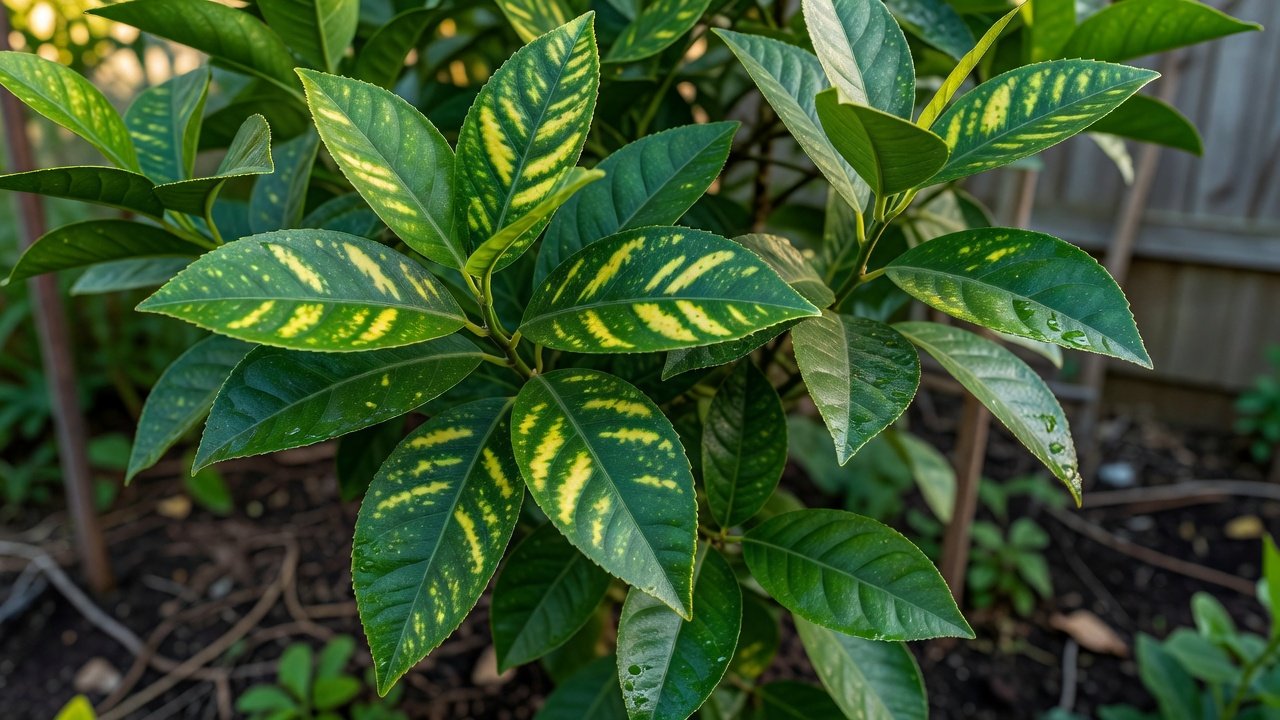
CYVCV causes vein clearing on new leaf growth — a yellowing that traces along the leaf’s veins rather than blotching the whole leaf, which is the visible feature that gives the virus its name. Infected trees lose vigor over time, produce reduced yields, and set smaller, lower-quality fruit. The virus poses no risk to human or animal health; its damage is entirely agricultural and horticultural, showing up in the tree’s productivity rather than in any food-safety concern for fruit already on the market.
Unlike HLB, which is spread almost exclusively by a single specialized insect, CYVCV moves through several ordinary garden pests: citrus whiteflies, green citrus aphids, melon and cotton aphids, and cowpea aphids can all pick up and transmit the virus as they feed. It also spreads mechanically — through grafting with infected budwood, and through pruning tools and equipment that carry infected sap from one tree to the next without being cleaned between cuts. That combination of insect and mechanical spread gives the virus more pathways into a new tree than HLB has, even though its insect vectors are far less specialized than the Asian citrus psyllid.
The Quarantine at Lodi
CDFA established a plant quarantine around the Lodi detection site with a half-mile radius, producing a roughly one-square-mile restricted area bounded by East Pine Street to the north, South Guild Avenue to the east, East Kettleman Lane to the south, and South Stockton Street to the west. Within that boundary, the same basic logic applies as with any plant-material quarantine: citrus budwood, nursery stock, and plant parts should not move off a property, because doing so is exactly how a slow-moving virus becomes a fast-moving one.
CDFA’s guidance to residents inside and near the zone is procedural rather than dramatic, because there is nothing else to offer against a virus with no cure. Sanitize pruning tools before and after each use. Double-bag citrus clippings before disposal rather than composting or curbside-dumping them loose. Use only registered, documented budwood sources if grafting citrus at home, since untraceable backyard scion wood is one of the more plausible ways the virus has entered California in the first place. Homeowners with questions about pest-control products are directed to University of California Master Gardener volunteers, who maintain current guidance for residential citrus care in affected counties.
A Pattern of Separate Introductions, Not One Spreading Outbreak
The Lodi tree is California’s third confirmed CYVCV detection, following a 2022 finding in Tulare County and a 2023 detection in Los Angeles County. Read quickly, three detections in four years might suggest a single outbreak creeping across the state. The genetic evidence says otherwise. Research on the Los Angeles-area isolate, collected from a tree in Hacienda Heights, found that its viral lineage traces to East Asian sources and shares a common ancestor with a strain circulating in South Korea, while the earlier Tulare County isolates cluster instead with viruses from South Asia. The two locations sit roughly 270 kilometers apart, and their viral lineages come from different parts of the world.
That points to separate introductions rather than a single strain spreading tree to tree across the state — most plausibly, backyard citrus trees or budwood carried in from different countries of origin, each on its own seeding an infection where it was planted. The Lodi finding has not yet been sequenced in published research, but the pattern established by the first two detections suggests California’s CYVCV problem may be less a single advancing front and more a series of unrelated entry points, each traceable back to the residential movement of dooryard citrus rather than to natural spread between the state’s earlier detections.
Why This Matters Beyond San Joaquin County
For an industry already absorbing the cost of psyllid monitoring and HLB quarantine compliance, a second incurable virus arriving by an entirely different route is not welcome news, even at the residential scale where it has so far been confined. San Joaquin County is well north of the state’s existing HLB quarantine zones, and its inclusion on a citrus-disease map for any reason is new territory for growers there. The virus has not been found in a commercial grove in California, and CYVCV’s slower, less specialized spread mechanism makes an equivalent-to-HLB commercial catastrophe less likely in the near term. But every new pathogen with no cure narrows the margin for error in how backyard citrus is sourced, planted, and maintained across the state.
The practical response available to growers and home citrus owners alike is the same one CDFA is asking of Lodi residents right now: treat every unlabeled citrus tree, cutting, or piece of budwood as a potential entry point, sanitize tools between trees as a matter of routine rather than occasional habit, and report vein-clearing symptoms to the county agricultural commissioner before a backyard curiosity becomes the fourth data point in a pattern nobody wants to keep tracking.